The Off-Broadway Theatre Review: Diana: The Untold and Untrue Story
By Ross
Diana: The Untold and Untrue Story arrives in New York fresh from the Edinburgh Fringe with a format that will feel immediately familiar to anyone who caught Awkward Productions’ Gwyneth Goes Skiing. That sense of déjà vu is both the show’s greatest strength and its royal limitation. Audience volunteers are invited onstage to read projected lines (my plus one made his off-Broadway debut that night as “poor servant” – and he was astonishing), historical figures are filtered through deliberate absurdity, and the humor thrives on repetition, disruption, and the pleasure of watching structure unravel in plain sight. The room was laughing, often loudly, and the energy of shared participation carried the evening a long way.
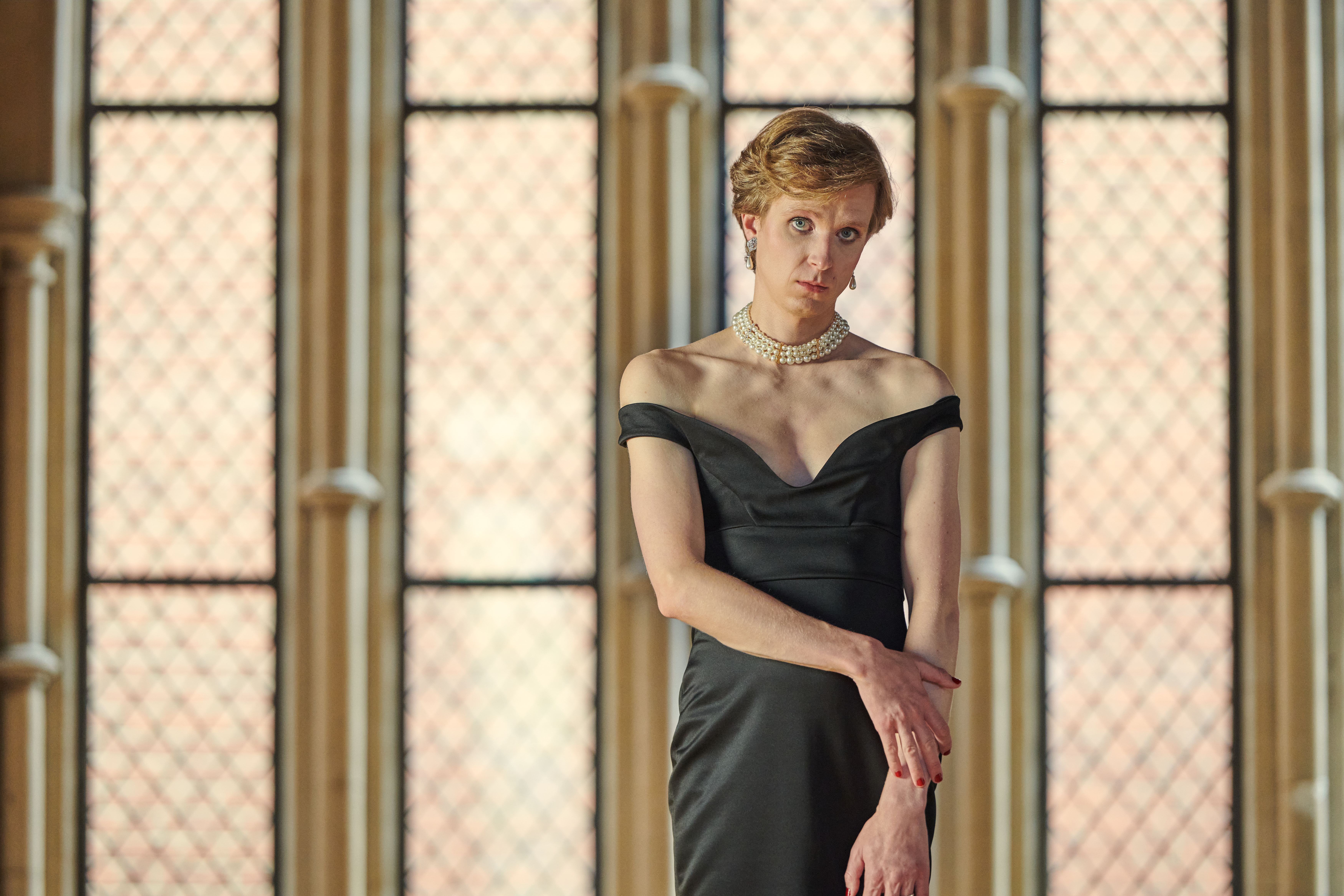
Linus Karp’s Diana is delivered with the same droll, knowing detachment that defined his Gwyneth, and it is hilariously sharp. Written, directed, and performed by Karp and Joseph Martin, the embodiment of the Princess of Wales is not exactly impersonation, but something more akin to skewed commentary, reshaping the mythology surrounding Diana rather than the woman herself. Over time, though, that single tonal note begins to wane. The joke remains funny, but its repetition starts to wobble, a problem compounded by similarly repetitive writing for the Queen. The satire never quite deepens or shifts gears, relying instead on the audience’s goodwill and appetite for the wonderfully inventive format. Martin gamely fills multiple roles, including those of Charles and Camilla, while a puppet Camilla, guided by puppetry consultant Tara Boland, becomes an effective visual gag, one that, like several others, is played perhaps one time too many.
Still, the central idea remains a winning one. The show’s willingness to involve the audience, embrace chaos, and puncture reverence keeps the atmosphere buoyant and communal. Like Gwyneth Goes Skiing, this Diana is less interested in revelation than in collective amusement and satire, and judged on those terms, it largely succeeds. It never quite deepens or builds far beyond its initial conceit, where a late pivot or escalation might have given the material new bite, but it knows how to keep a crowd laughing, and sometimes that is more than enough. Fans of Awkward Productions will find much to enjoy here, even if they may feel they have seen this particular crowned trick before.
 front mezz junkies