The Toronto Theatre Review: Bijuriya
By Ross
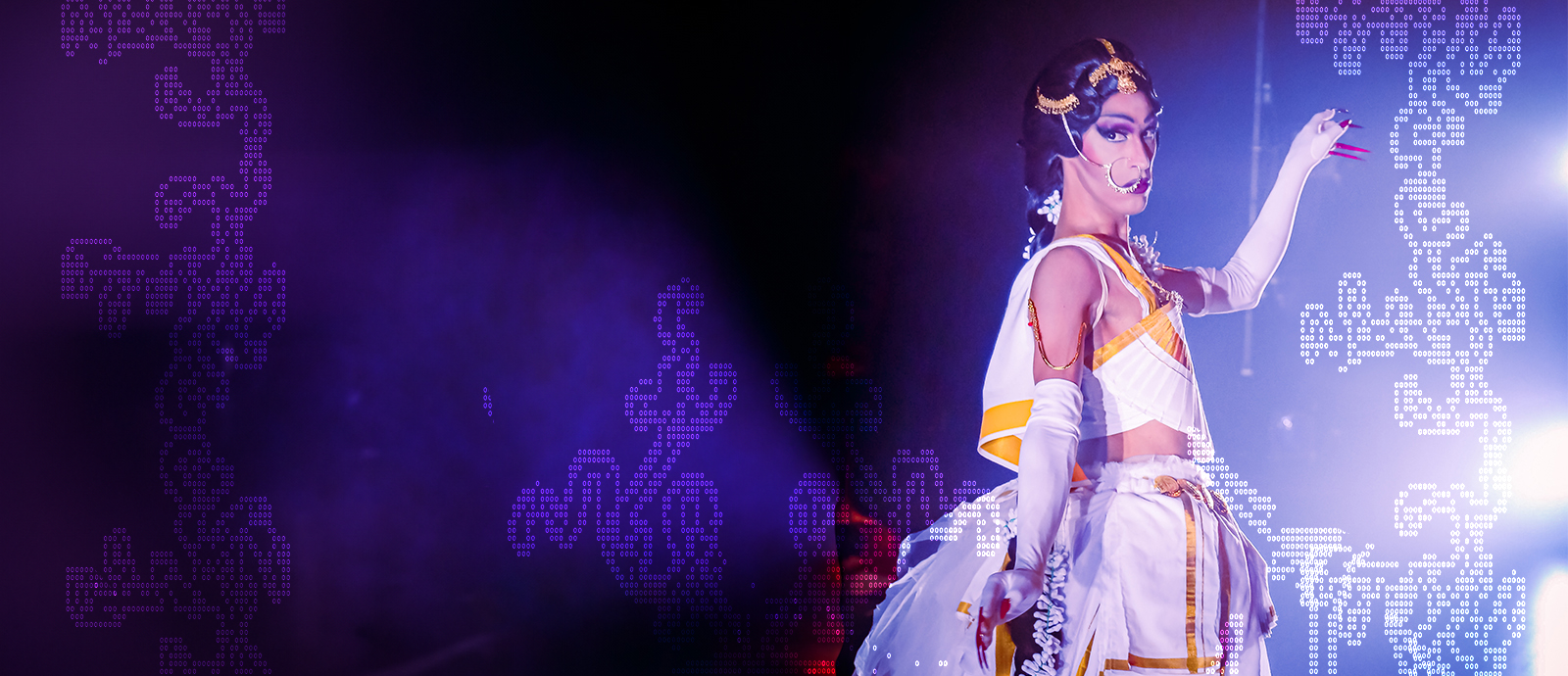
An elegant, statuesque figure stands before us, moving with the fluid precision of a poem in motion, shifting from the art of lip-syncing to something more real and honest. The wigs, displayed high on their stands like a row of crown jewels, frame the stage with a kind of ceremonial promise: each one a new identity, a new facet, a new spark of the persona to come. Even when the quick changes falter, the effect remains enchanting, because Bijuriya, our central figure, a self-described “weirdo,” transforms with both humour and vulnerability. This is a calling from a far-off land, through clenched teeth and ancestry. Cultivation, which led to composition, is at the forefront of this intersecting chamber piece, layered with the captivating flavours of Bollywood and recorded conversations with our other self. And we are completely ensnared, without a second thought.
There is a rare thrill to be present and engaged with a performer who not only commands a room but invites us, warmly, riotously, into the complexities of identity, art, and cultural inheritance. Gabriel Dharmoo delivers forth their Bijuriya, and from the moment this figure magically steps onstage, slipping between different parts of themselves, their drag persona vibrates with a kind of creative electricity and a commanding stance. It’s entertainment, hilarious, glamorous, and full of theatrical voltage. But it’s also a thoughtful, sharply observed meditation on how drag, culture, and queerness collide, and we join with this persona to understand more and to take in the layers with curiosity and intent.
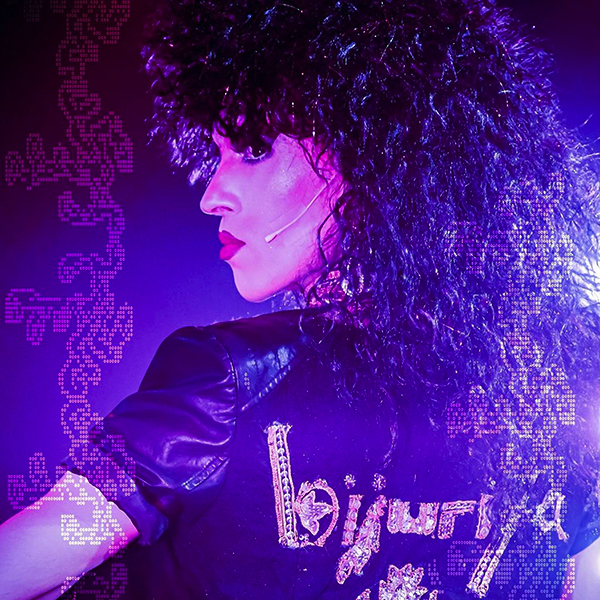
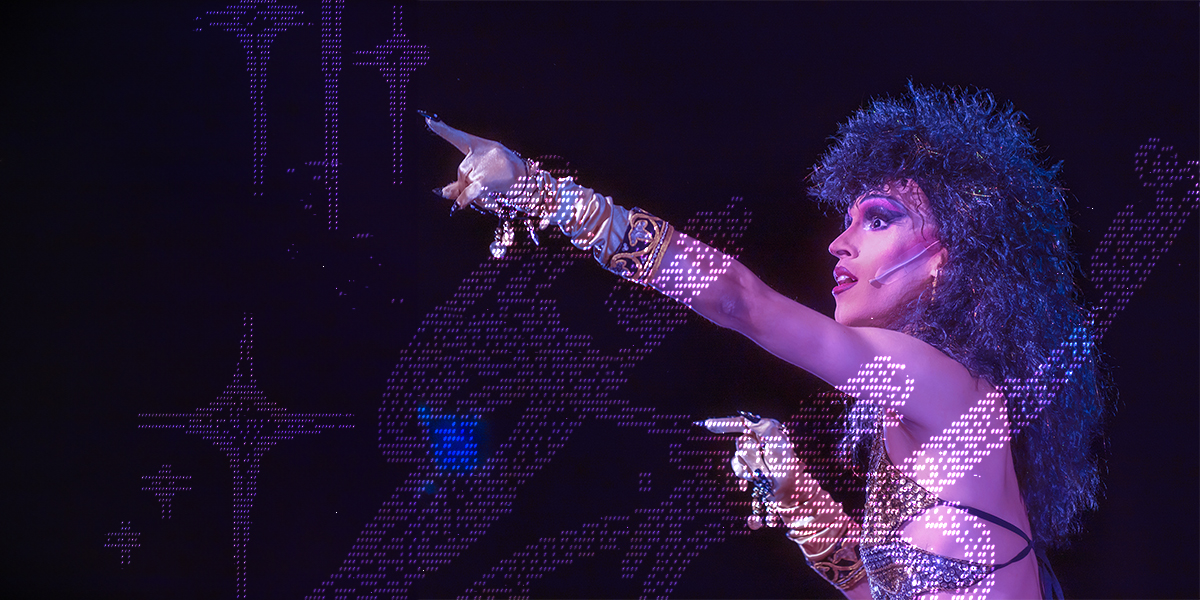
Dharmoo’s command of code-switching becomes its own thoughtful choreography. One moment, they’re delivering a sly aside about diaspora aesthetics, the next they’re moving into the art of lip-syncing with such precision and heart that the entire audience seems to levitate. The show dances through original songs, experimental vocal work, and the rich cinematic textures of Bollywood, not as separate tricks but as interconnected languages, destined to converge in the show’s final framing. Lip-syncing becomes the bridge between Bollywood spectacle and drag tradition, revealing both as deeply expressive forms that hold centuries of cultural longing, joy, and resistance, and most importantly, have been the foundations for this performer standing proudly before us. Through it all, the relationship between Gabriel and Bijuriya shifts, sometimes playful, sometimes confrontational, offering a surprisingly profound look at the fluidity within each of us, and the space we live in.
What impressed me most was how Dharmoo balances generosity with critique. They illuminate the pressures and pleasures of cultural performance; how a voice can be claimed, distorted, celebrated, or silenced, while never losing the show’s buoyant sense of fun. The humour lands without deflecting the truths underneath it; the emotional beats resonate because they’re rooted in lived experience. Watching Bijuriya feels like being welcomed into a conversation about belonging that is as smart as it is joyous.
As part of the Queer Voices Canada series, supported by Canadian Heritage, Bijuriya stands as both a celebration and an inquiry into the queer experience. Identity, we are told, is not a fixed point but an improvisation, sometimes sung, sometimes spoken, sometimes lip-synced with absolute, glittering conviction. Those wigs keep returning, like adventurous supporting characters in their own right, as markers of lineage, glamour, and self-invention. I left the Buddies in Bad Times Theatre exhilarated, moved, and grateful for the chance to witness an artist so fully, and fearlessly in command of their craft.
 front mezz junkies