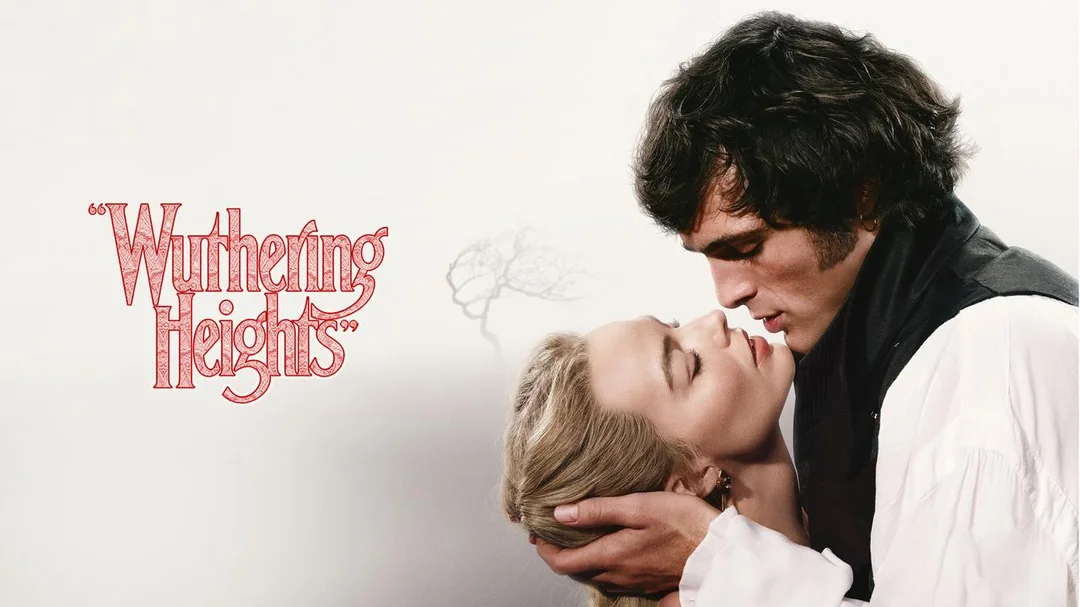
Frontmezzjunkies reports: Wuthering Heights on Film
By Ross
Few novels seem to invite reinvention and resistance quite like “Wuthering Heights” by Emily Brontë. With the arrival of the newest screen adaptation, directed by Emerald Fennell and starring Margot Robbie and Jacob Elordi, conversation has erupted across critics’ circles and film communities alike, and not quietly.
Much of the debate centers on fidelity. Admirers of Brontë’s novel argue that the film reshapes the story so dramatically that it risks becoming something closer to interpretation than adaptation, smoothing the novel’s brutal emotional edges into a more stylized cinematic experience. Some critics have questioned whether the film’s heightened aesthetic overwhelms the raw, almost feral emotional core that has made Heathcliff and Catherine endure for nearly two centuries. Others point to deviations in structure and tone, suggesting that once again the novel’s sprawling generational tragedy proves stubbornly resistant to compression into a single feature film.
Layered onto these familiar arguments is a more contemporary discussion surrounding identity and casting, particularly the long-debated question of Heathcliff’s racial ambiguity. Brontë’s text has always left space for interpretation, describing him as an outsider whose origins unsettle the world around him, and each new adaptation seems to reignite questions about whether the character’s otherness should be read socially, culturally, or racially. For some viewers, casting choices feel like a retreat from that ambiguity; for others, they represent yet another reminder that every era inevitably reshapes classic literature in its own image. The disagreement itself speaks to how unfinished and perhaps intentionally unresolved Heathcliff remains as a figure.
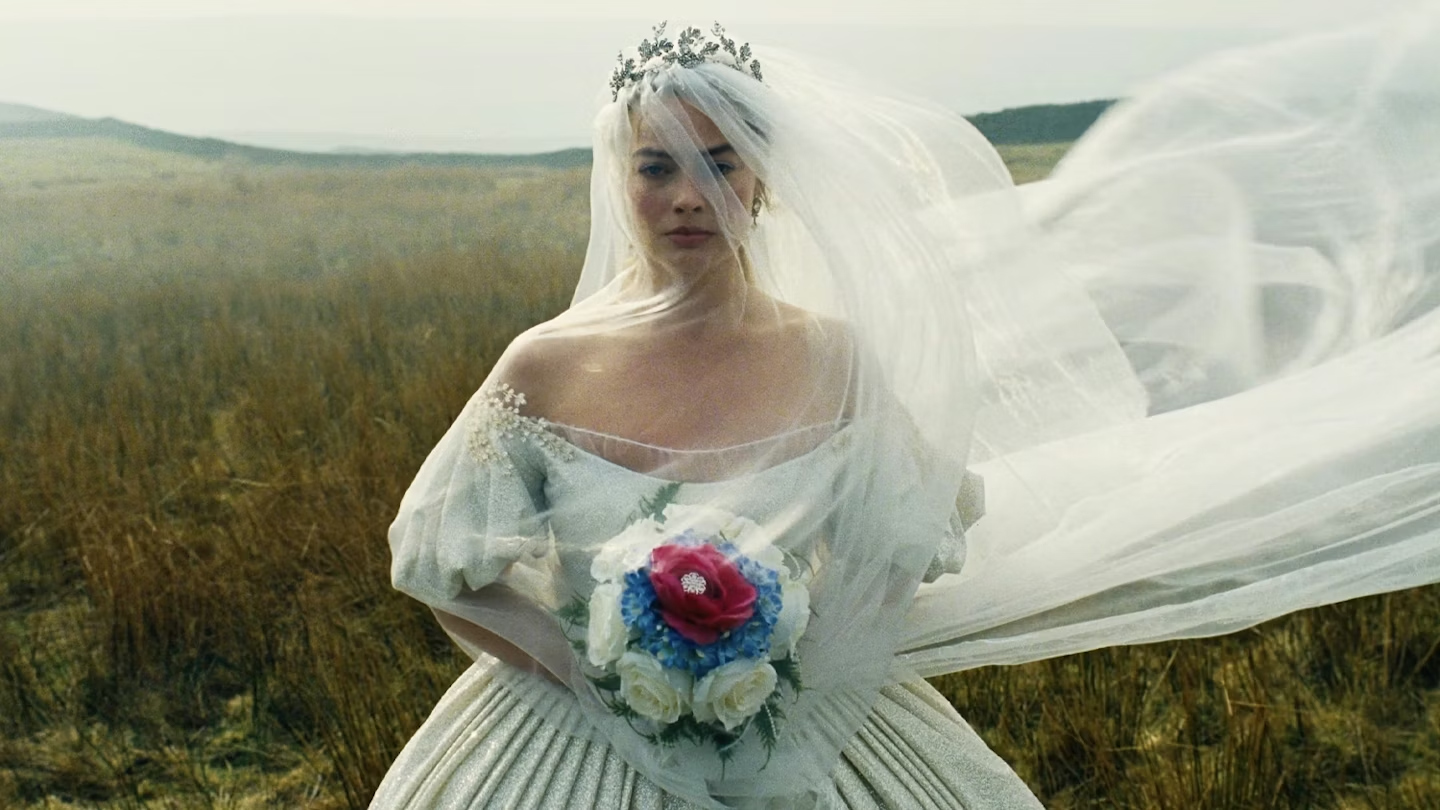
And yet, just as passionately, defenders have emerged. They praise the film’s ambition, its willingness to treat the material not as sacred text but as living mythology. Supporters argue that every generation deserves its own “Wuthering Heights,” and that bold reinterpretation may be the only honest way to approach a story already adapted countless times. For them, the film’s visual daring and psychological focus offer a new doorway into a familiar storm rather than a betrayal of it.
Reading the reactions: divided, emotional, occasionally exasperated, has only made the film more intriguing. The very fact that audiences cannot seem to agree may be the strongest endorsement of all. After all, “Wuthering Heights” has never been polite, never universally comforting, and rarely easily defined. Long before think pieces and discourse cycles, the story was already echoing across windswept moors in cultural memory, somewhere between literary obsession and pop-myth reverie, the kind that might make you half-expect a voice calling through the fog, asking Heathcliff to let it in.
From a distance, the debate itself becomes part of the experience. Curiosity grows not despite the controversy, but because of it. And for at least one curious film critic, all the noise has achieved exactly what cinema hopes to do: it has made seeing the film feel less like an obligation and more like an irresistible necessity. (I almost went to see it dubbed in Spanish on the island of San Andres last night, but alas, those captivating lovers had left the cinema the night before. Probably for the best, as my Spanish isn’t that good. Maybe this weekend I’ll get my chance in Bogota with an original language version, with Spanish subtitles.) So keep your eyes peeled, Heathcliff, the review will be coming to this site in March.
 front mezz junkies