
Frontmezzjunkies reports: A 16-show lineup, major Canadian literary adaptations, and a company stepping fully into its next chapter
By Ross
Something has been building at Crow’s Theatre for a while now, something both compelling and deep, and this new season announcement feels like the moment it fully comes into focus.
With the unveiling of its 2026.27 lineup, Crow’s is not just marking ten years in its east-end home. It is defining what the next decade might look like, for the company and, in many ways, for Toronto theatre itself. A 16-show season that stretches across continents, genres, and forms, this is a slate that leans confidently into scale while holding tight to the kind of storytelling that has quietly become Crow’s signature.
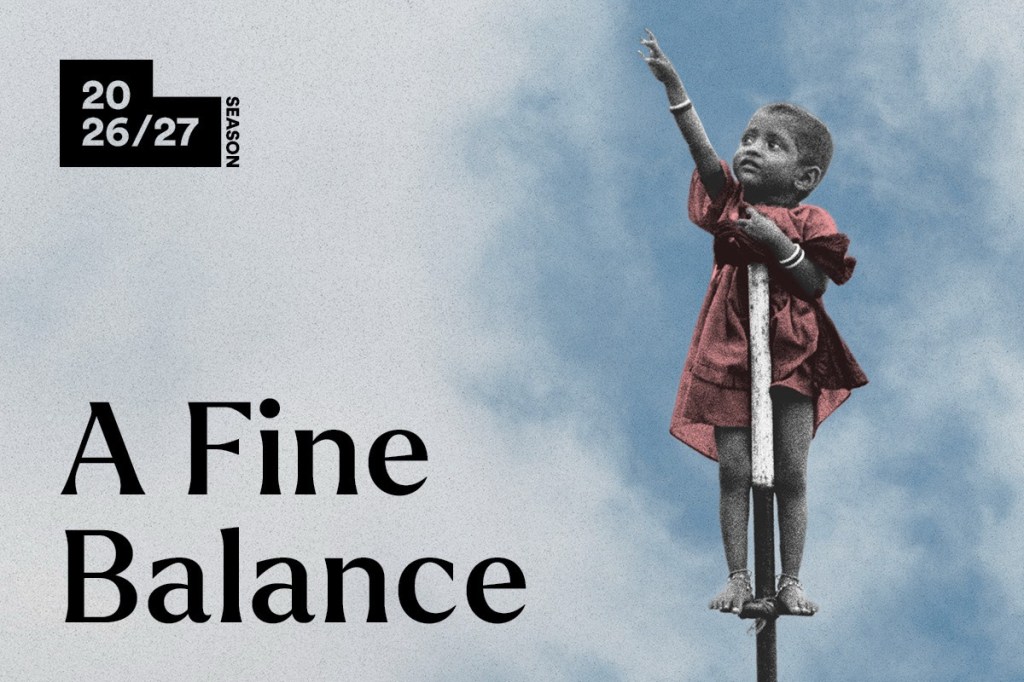
At the centre of it all is a deep investment in Canadian literature, with four major adaptations anchoring the season. Leading the charge is the world premiere of A Fine Balance, adapted by Anosh Irani (Behind the Moon) from Rohinton Mistry’s towering novel. It is a work of enormous scope and emotional weight, the kind of story that demands both theatrical ambition and careful intimacy. That balance, between the epic and the personal, is something Crow’s Theatre has been refining for years, and this production feels like a natural extension of that pursuit.
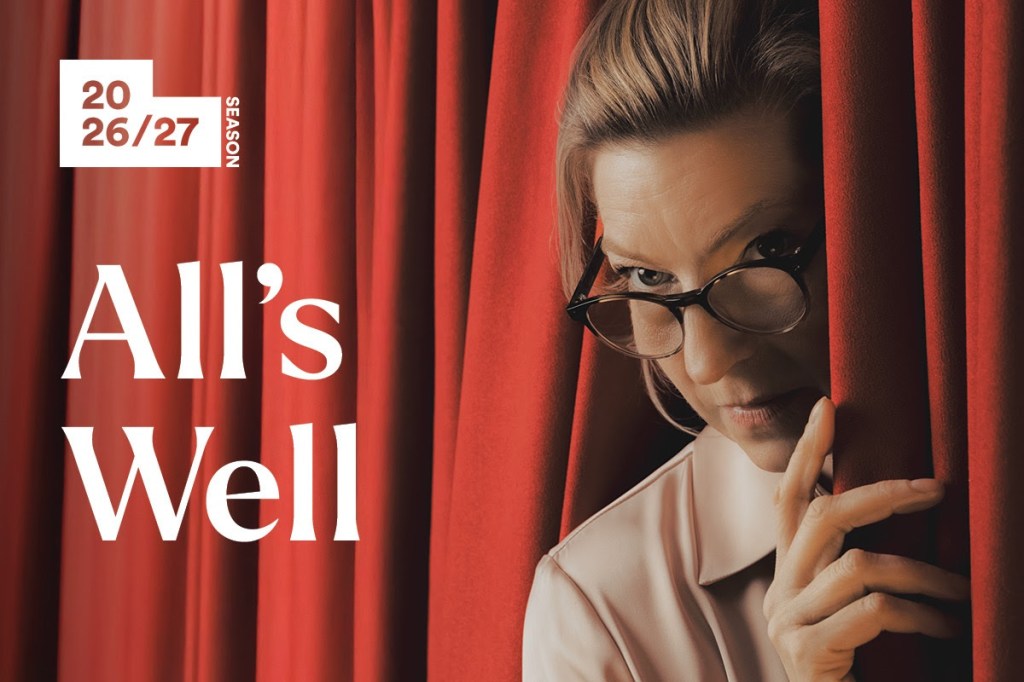
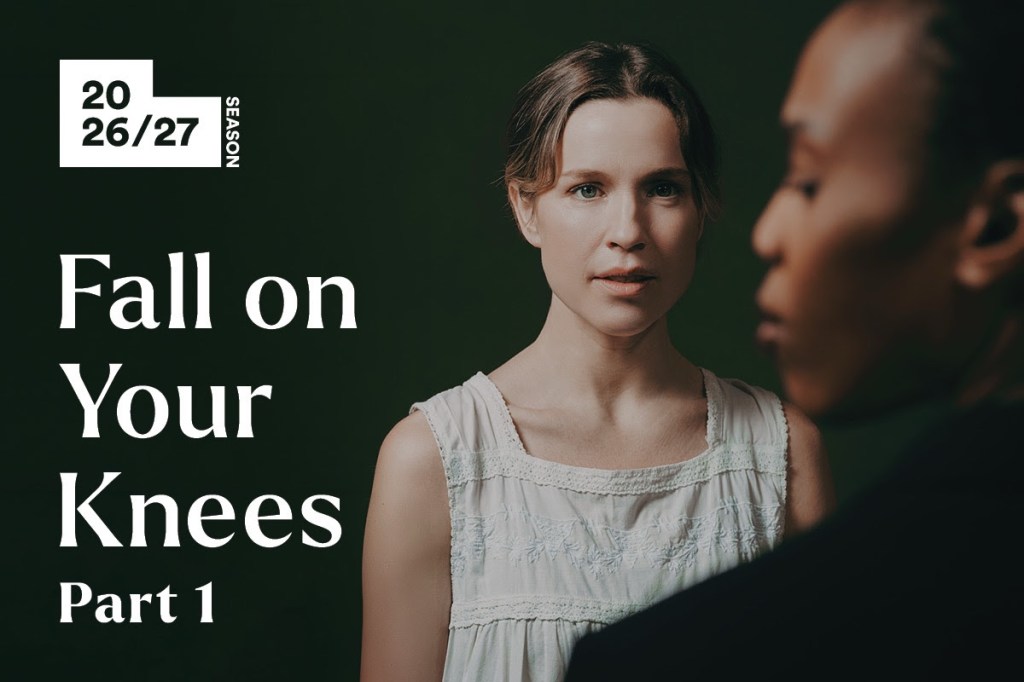
That same literary focus continues with All’s Well, Erin Shields’ stage adaptation of Mona Awad’s sharp and surreal novel, and the return of Fall on Your Knees, the sweeping two-part adaptation by Hannah Moscovitch (Post-Democracy) and Alisa Palmer (dir. Tarragon’s Guilt (A Love Story)). These are not small undertakings. They are expansive, layered works that ask audiences to settle in and engage deeply, reinforcing the company’s growing identity as a home for large-scale Canadian storytelling that does not shy away from complexity.
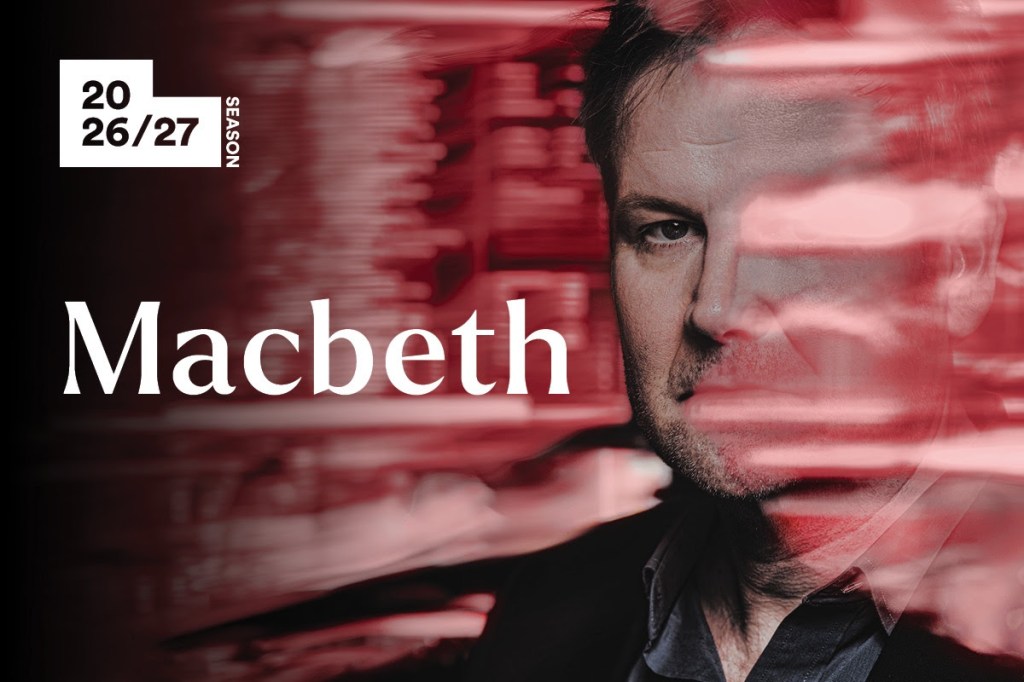
Alongside these adaptations, Crow’s Theatre continues to build on its relationship with Shakespeare, offering two distinct entries into the canon. HOUSE + BODY’s Measure for Measure returns after a critically acclaimed run, its urgent exploration of justice and moral ambiguity reframed through a contemporary, high-pressure setting that blurs performance and immediacy. Meanwhile, Macbeth is reimagined as an intimate solo performance starring Evan Buliung (Eclipse’s Sunday in the Park…), stripping the play down to its psychological core. Together, they suggest a company interested less in preserving tradition than in interrogating, unpacking, and redefining it, finding new theatrical languages inside familiar texts and asking what these stories sound like when they are spoken directly into the present moment.
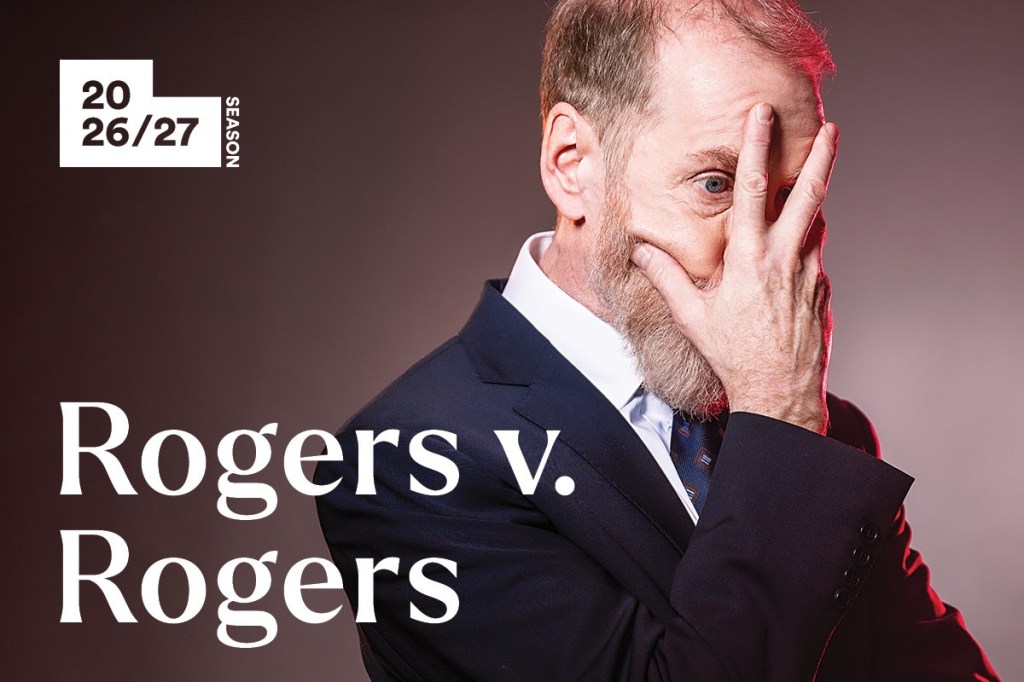
That sense of continuation extends beyond the classical canon. The return of Rogers v. Rogers, presented with Canadian Stage at the Berkeley Street Theatre, offers a reminder of how Crow’s productions continue to evolve beyond their initial runs, finding new audiences while deepening their place within the city’s theatrical conversation.
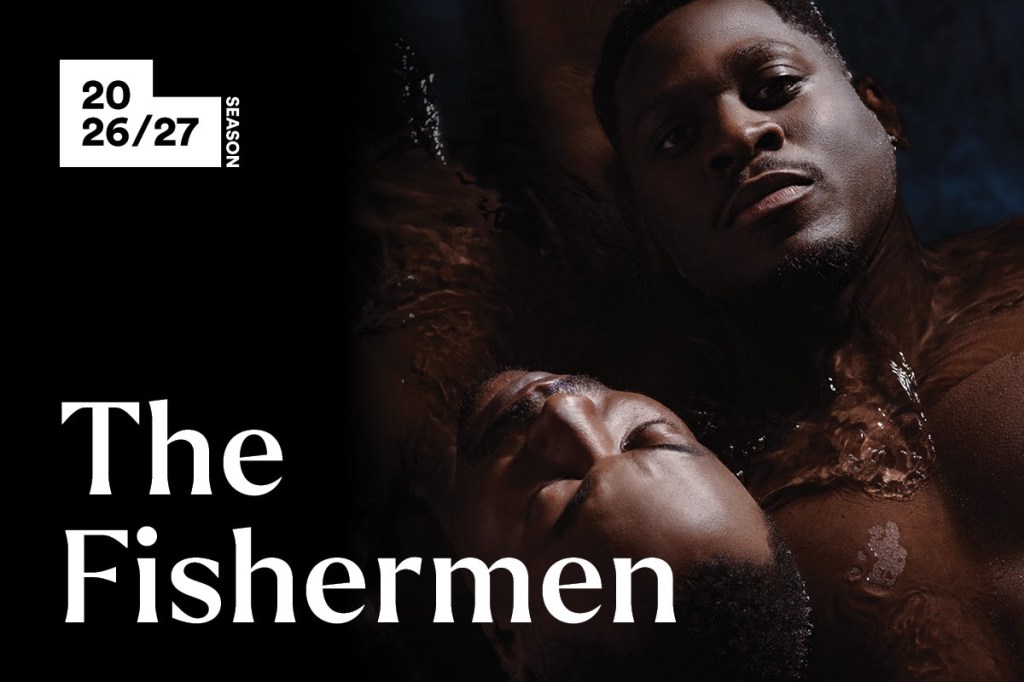
The season also reaches outward, both geographically and thematically. The Canadian premiere of Christopher Hampton’s A German Life, starring Fiona Reid (Coal Mine’s People, Places and Things), offers a stark and sobering meditation on complicity, memory, and survival, drawn from the real-life testimony of a woman who lived and worked within the machinery of Nazi Germany. In contrast, director Tawiah Ben M’Carthy takes The Fishermen, adapted from Chigozie Obioma’s Booker Prize–shortlisted novel, and leans into myth and prophecy, tracing how belief and fear can reshape identity and fracture even the closest bonds. These works expand the season’s scope without losing its cohesion, each circling questions of responsibility and the fragile narratives we construct to make sense of the world around us.
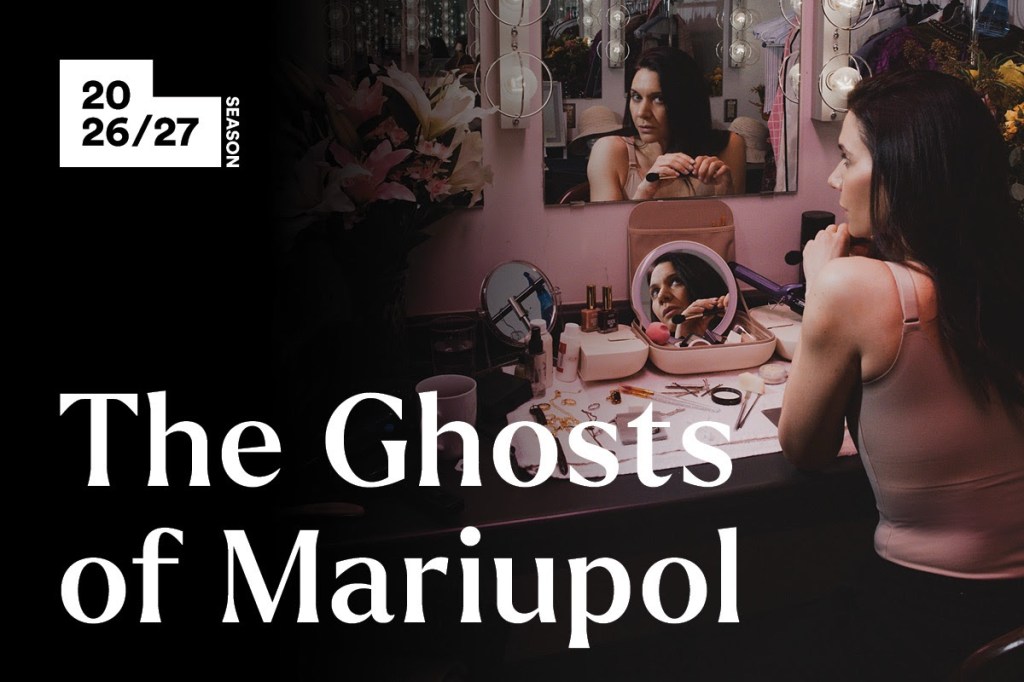
New Canadian work remains a vital thread throughout. The Ghosts of Mariupol, inspired by real events in Ukraine, stands as one of the season’s most urgent offerings, drawing from the lived experiences of artists caught in the devastation of war. The play traces two actresses whose lives diverge in the aftermath of the 2022 bombing of the Donetsk Academic Regional Drama Theatre, each forced to navigate survival, allegiance, and the shifting meaning of truth under occupation. It is a work that does not offer easy answers, instead sitting inside the complexity of impossible choices and the emotional cost of endurance.
In a markedly different register, We Swear, from the team behind Big Stuff, leans into the awkward, revealing space between intention and follow-through, exploring the promises we make to ourselves and others with a blend of humour and quiet self-examination. Meanwhile, Laura Secord’s Thing, written by Brad Gira, turns toward history with irreverence, reimagining a familiar national figure through a lens that is at once playful and subversive, poking at myth, memory, and the stories a country chooses to preserve. Together, they bring a sense of elasticity to the season, reminding us that scale does not always require spectacle, and that some of the most resonant work begins in the smallest, most human contradictions.

The renaming of its home venue, moving beyond the Streetcar Crowsnest identity toward something more firmly its own, signals a quiet but meaningful shift, one supported by a major philanthropic gift and reflective of a company stepping fully into its next phase. The launch of Crow’s Cabaret further points toward an expansion not just of programming, but of presence. This is a theatre that is growing outward, into new spaces, new partnerships, and new ways of gathering an audience.

It is hard not to view this season as part of a larger pattern. With recent announcements from companies like Tarragon Theatre and Canadian Stage, and more likely on the horizon from Coal Mine Theatre, Factory Theatre, and Theatre Passe Muraille, Toronto’s theatre scene feels poised on the edge of something expansive. Not a single unified direction, but a shared momentum.

For Crow’s Theatre, that momentum feels particularly personal. My own connection to the company is a newer one, but it is quickly becoming one of my favourite creative homes in the city, consistently producing thoughtful, ambitious work while building meaningful partnerships across Toronto’s theatre landscape. What once felt like a promising space in the east end now stands as a true cultural hub, one that gathers artists and audiences with a sense of curiosity and shared investment. This season does not just celebrate that growth. It carries it forward. And as these sixteen stories prepare to take shape across stages, cities, and collaborations, there is a sense that something larger is unfolding, not just at Crow’s, but across the theatre community it continues to help shape.

 front mezz junkies