Frontmezzjunkies reports: From cult classic chaos to Céline-powered camp, Broadway dives headfirst into spectacle
By Ross
A thrilling and intoxicating declaration of intent has been laid out on Broadway, and it’s not easing cautiously into spring this year. It is kicking down the doors, cranking up the volume, and inviting audiences to jump headfirst into the kind of thunderous theatrical party that knows exactly what it is doing. March 26 arrives with a pulse, a wink, some (time warp) moves, and just enough mischief to suggest that anything could happen once the lights go down. These two productions thrive on devotion, irreverence, and a deep love of excess, making this less of a season kickoff and more of a full-bodied plunge into high-camp spectacle.
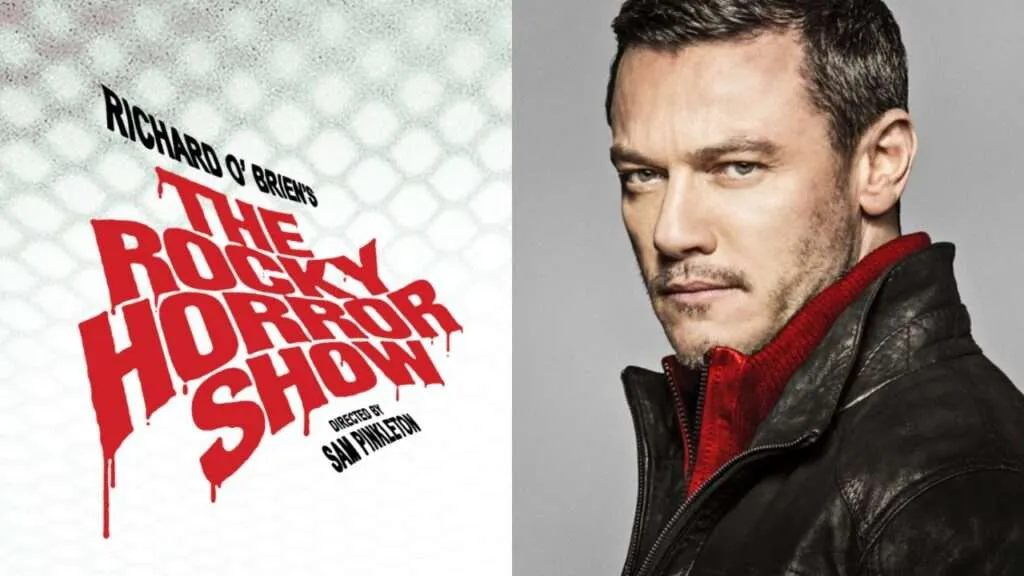
As lighting and thunder crack over the roof of Studio 54, The Rocky Horror Show returns to a space that feels almost suspiciously perfect for its brand of gleeful anarchy. Richard O’Brien’s cult phenomenon has spent decades building a global language of callbacks, costumes, and uninhibited celebration, and the question now is not whether it works, but how far this revival is willing to go. Directed by Sam Pinkleton (Broadway’s Oh, Mary!), whose recent work has embraced theatrical mischief with open arms and red lips, this production feels poised to rediscover rather than simply recreate. And then there is the casting. The Broadway debut of Luke Evans, standing tall and proud, possibly in fishnets, already feels like an event unto itself, the kind of deliciously knowing choice that signals exactly what kind of night this intends to be.
The story remains as delightfully unrestrained as ever. Two naïve, unsuspecting outsiders stumble into a world that dismantles every expectation they packed with them. Guided by the magnetic chaos of Dr. Frank-N-Furter and a house full of characters who have no interest in behaving, their whole world is turned upside down. It has always lived on the sticky line between performer and audience, fueled by participation, anticipation, and the electric uncertainty of what might happen when an audience leans in rather than sits back. Placing that energy inside Studio 54, a venue with its own mythology of decadence and celebration, only heightens the sense that this will be as much an atmosphere as it is a production.
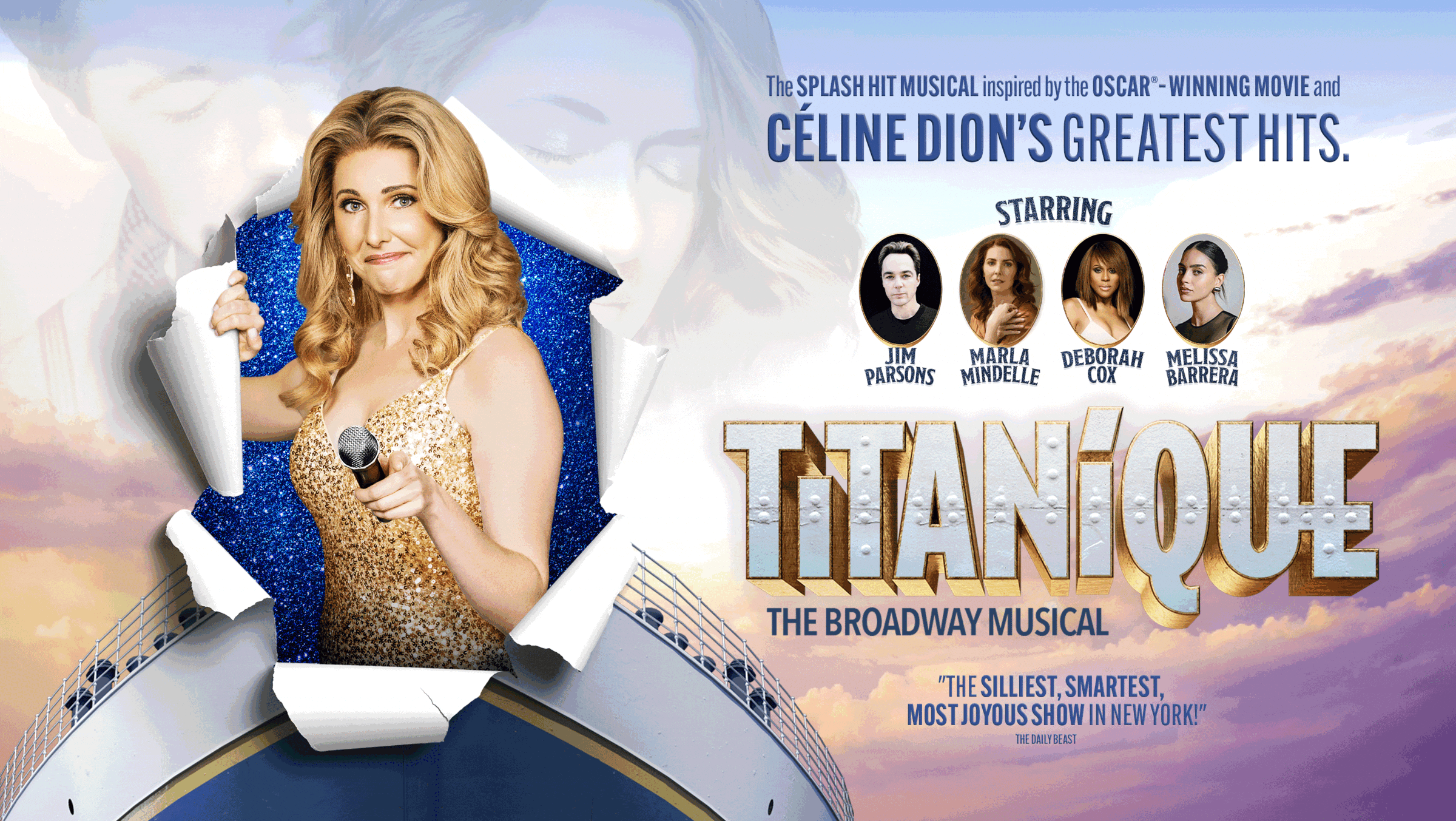
Across town at the St. James Theatre, the international sensation, Titaníque, arrives with a very different kind of devotion, though no less committed to its voyage. What began as a one-night experiment has grown into a full-scale Dion-phenomenon, powered by audiences who understand exactly what they are signing up for and love it for that reason.. Built around the music and persona of the impossible-not-to-love Canadian songstress, Céline Dion, the show reimagines one of cinema’s most iconic love stories through a lens that is knowingly absurd, unapologetically theatrical, shamelessly hilarious, and entirely self-aware.
With Marla Mindelle returning and reboarding as Dion, the production sets sail, bringing with it the same creative team that shaped its Off-Broadway success, and that continuity matters. Titaníque has never aimed for polish in the traditional sense. It thrives on escalation, on the layering of references, vocals, and comedic invention until the line between tribute and chaotic parody disappears entirely. Its Broadway arrival raises an irresistible question. What happens when something this knowingly absurd expands into a much larger space? Does it grow even bigger, or does it risk losing the very immediacy that made it connect so strongly in the first place?
Taken together, these two productions offer more than a simple choice of what to see. They offer a choice between modes of transportation, of engagement. One pulls you into a long-standing ritual, driven forward through a fierce storm, a shared language of callbacks, costumes, and collective abandon. The other floats and crashes in, pulling you into a newer kind of cult experience, one built on irony, virtuosity, and a deep affection for the material it gleefully reshapes.
What makes March 26 feel so electric is the clarity of that contrast. Both productions know their audiences. Both depend on participation, whether it is shouted, sung, or felt in the room. They are not asking to be observed from a distance. They need you there, present, and just as willing to give in to the chaos as they are. On a night like this, the question is not which show will win out over time. It is which kind of joy you are ready to surrender to first, and how quickly you are willing to say yes when it calls.
 front mezz junkies