The Stratford Theatre Review: Spontaneous Theatre’s Goblin:Oedipus
By Ross
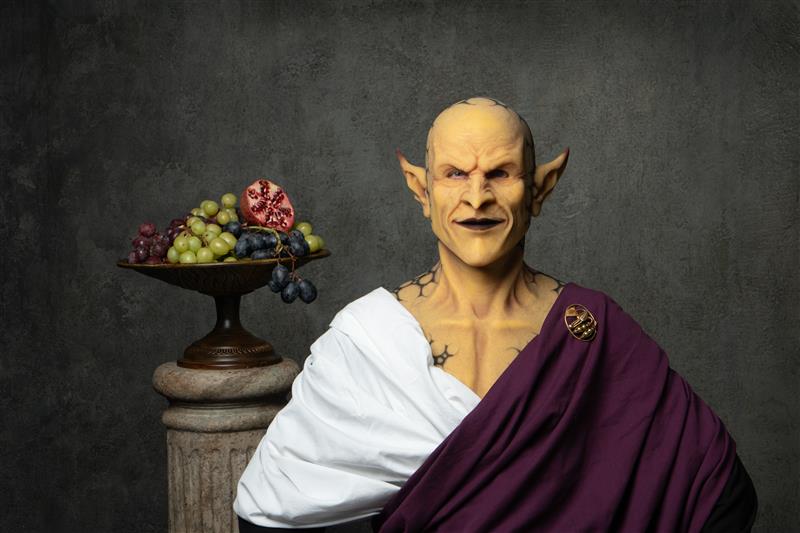
It was exactly as expected, the night I arrived at Stratford Festival’s Studio Theatre for the opening night of Goblin:Oedipus, Spontaneous Theatre‘s pseudo-sequel to Goblin:Macbeth. But this time it was something seriously Greek, and gloriously unhinged. And those pesky, rambunctious Goblins were there to greet us and guide us through this telling. And I couldn’t have been more pleased.
The tales of Sophocles have been most certainly in the air this year, and this was the third time that tragedy unfolded before me. From Robert Icke’s sleekly devastating Oedipus in London’s West End (soon to cross the Atlantic and open on in NYC – watch for the Broadway review next month), to Marina Carr’s glittering and god-touched The Boy at Dublin’s Abbey Theatre (review posting tomorrow), the tragic wanderer of Thebes has been actively haunting me across continents. And now, in Stratford, Canada, three familiar and mischievous creatures have joined that masked chorus. Goblin: Oedipus is a strong second act for these creatures, and it’s as riotous and razor-smart a descent into myth and mayhem as one would expect: a live-wire act of theatrical possession that proves once again that Oedipus is a cautionary tale that has found its time and place to be reexamined. And we can all see why.
Whereas Icke’s West End Oedipus reimagines the famed myth as an election-night unraveling, a political tragedy made masterfully for our times. And Carr’s The Boy resurrects it in glittering, Godly grandeur, yet grounded in Irish brogue. Then Canada’s Goblin: Oedipus gleefully dismantles the myth altogether, while elevating its themes in ways most unexpected. Here, in Stratford, Ontario, three goblins decide to “do this play”, not just for pleasure, but to better understand humanity through the enactment of the ultimate human catastrophe. Their method? Complete and utter anarchy. And a whole lot of wisely mined laughs.
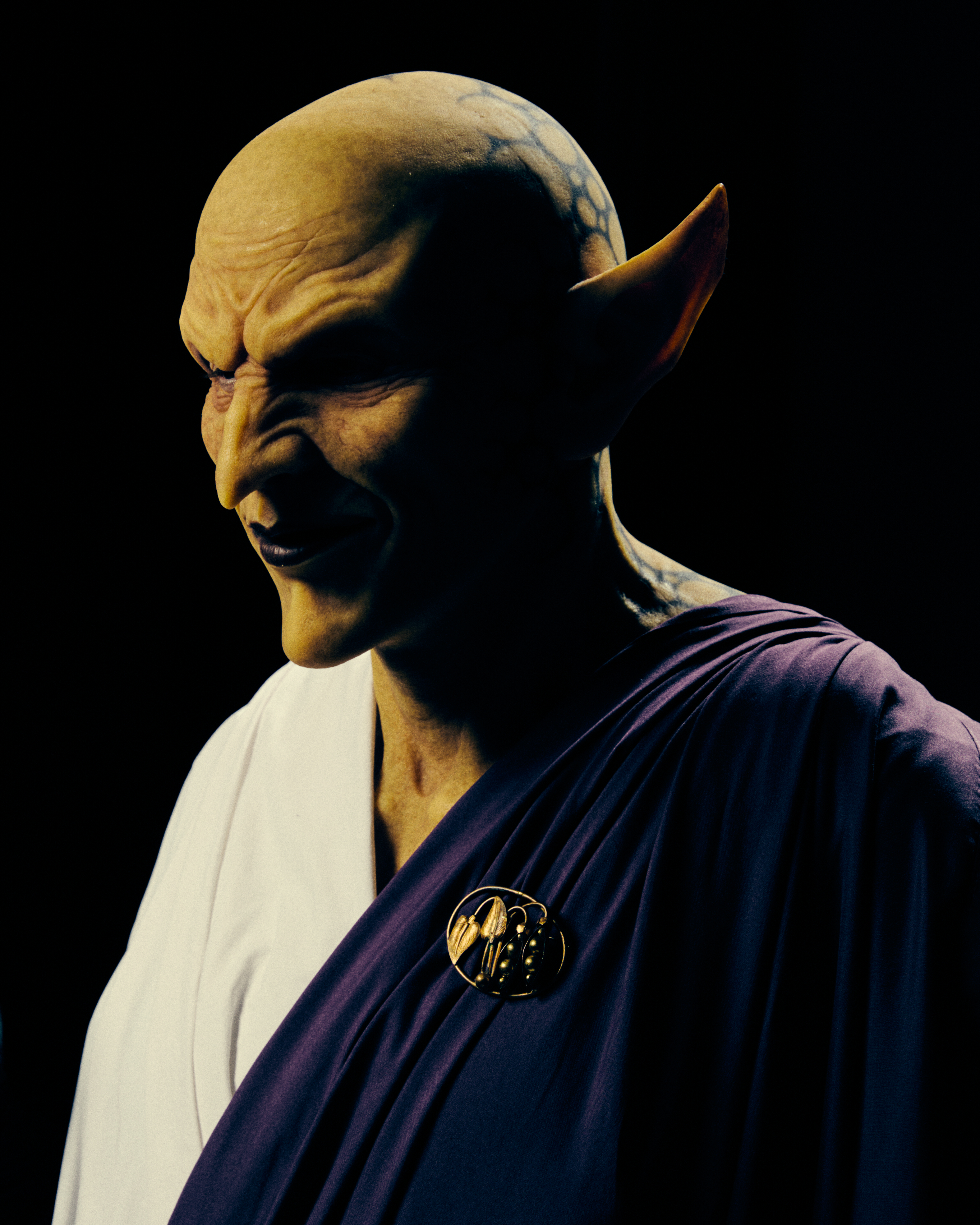
What follows is both absurd and deeply intelligent. The goblins storm the space, a small theatre supposedly booked for a wedding later that day, and immediately declare it their kingdom (although they make it clear they would rather be occupying the more grand Festival Stage down the street). They cajole, seduce, instruct (in a wave), and play most engagingly with the audience, breaking every possible fourth wall until nothing separates performer from participant. A flustered theatre operator eventually rushes in, attempting to bring order to the chaos (and enforce a strict “no orgies” policy), but the goblins are irrepressible. They bicker over who gets to play each role, toy with our expectations of tragedy, set up a challenge for best performance (with a few very telling ides for trophies), and joyfully lurch and laugh between comedy and catastrophe. The result feels less like a performance and more like a collective act of ritual chaos: half invocation, half invasion, backed by a very game and very passionate (but smaller than normal) Greek chorus.
Created by Rebecca Northan and Bruce Horak, with Ellis Lalonde, this troupe of three turns mischief into meaning, utilizing the translation of John Murrell (with permission from Meg Murrell-Peloquin). But beneath the gags and gleeful vulgarity, there lies a serious and captivating meditation on what it means to gather together in a theatre and retell a story we already know. Their Oedipus is not exactly a traditional king or a politician, but a grand puppet of fate, and the goblins, in their delirious attempts to “understand humans,” accidentally stumble into something very human indeed: the need to perform our pain, to laugh at it, and to keep telling it until we can live with it and see it more clearly than before.
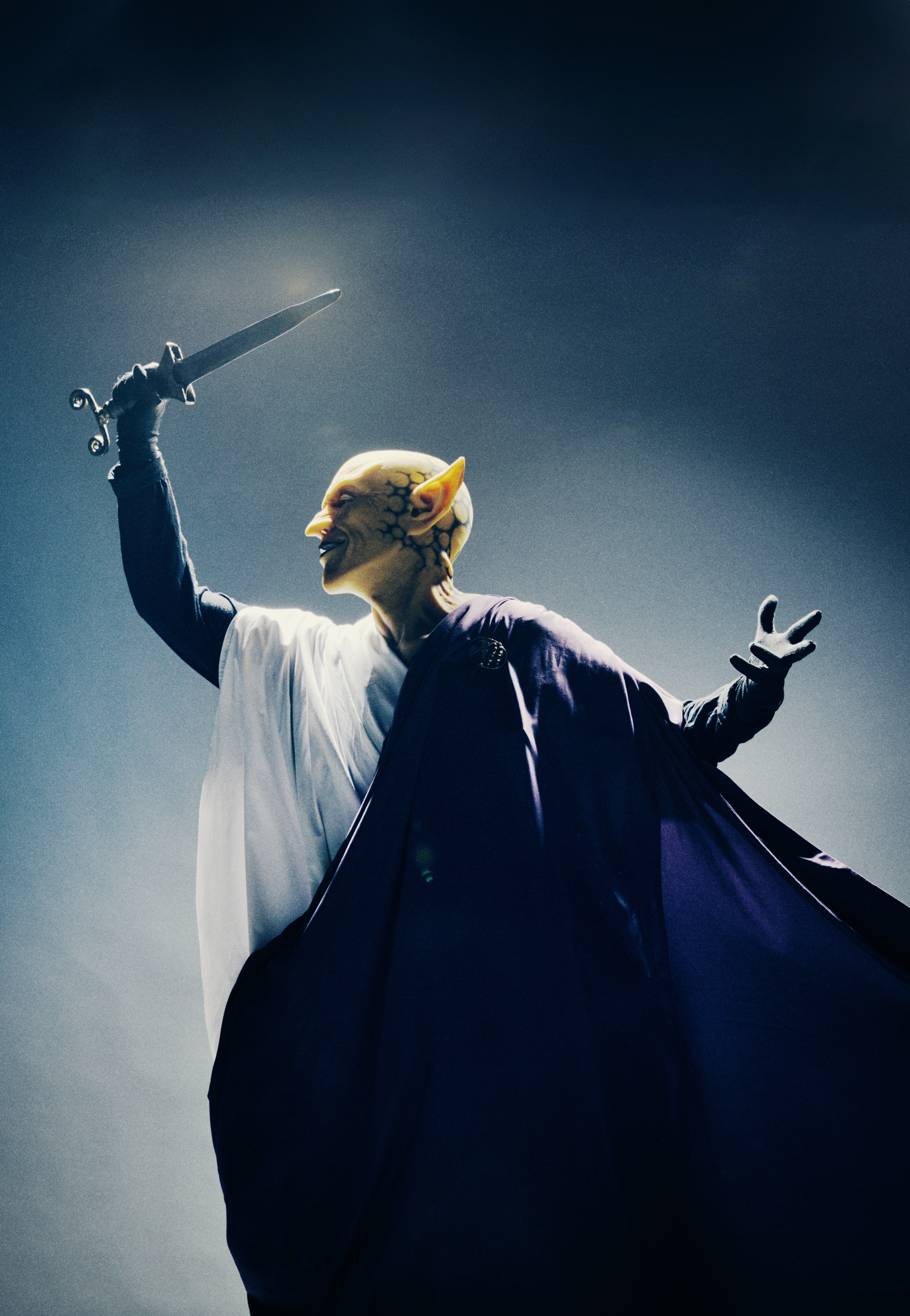
The improvisational sharpness and wise silliness of the trio is completely astonishing. They conjure entire scenes out of fragments, weaving mythic reference into slapstick with pinpoint comic timing. One goblin provides a running soundtrack, part percussion, part gleeful holiday mischief, that underscores the madness with surprising emotional precision (and, occasionally, a bit too much Christmas enthusiasm). But even when the sound effects sometimes overwhelm, they also add to the joyful disorder of the event. What’s thrilling is the immediacy of it all: seemingly no script and no safety net, just three performers overflowing with questions and a myth older than civilization, reborn in chaos.
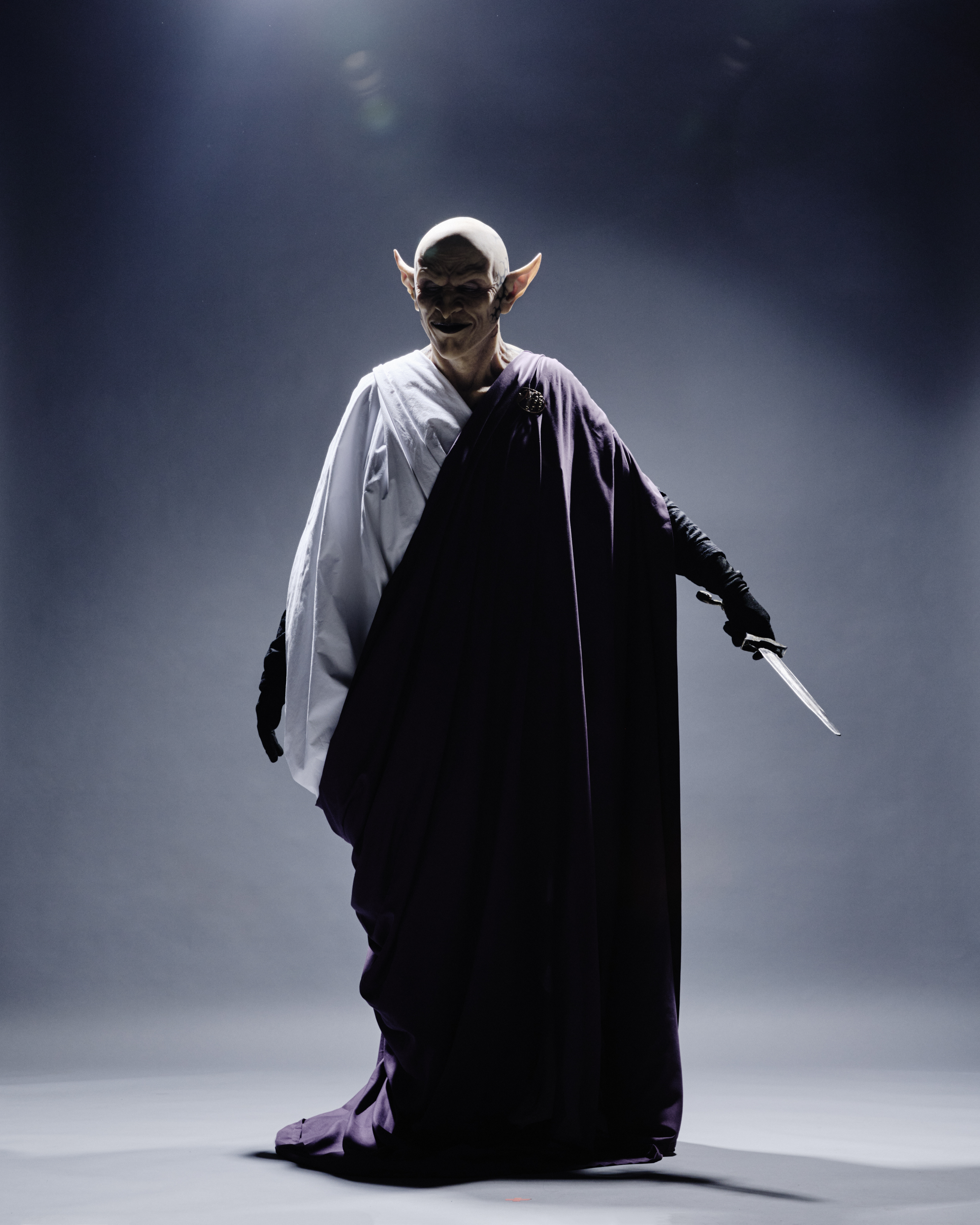
Where Icke’s Oedipus builds tension through precision, the inexorable countdown of the political clock, and Carr’s The Boy ascends into operatic grandeur, Goblin: Oedipus explodes with colorful confetti and a strong awareness of intent. It’s the same story told by goblins who know too much and too little. In Icke’s world, Oedipus blinds himself to the truth through pride; in Carr’s, he wrestles with gods who might still walk among us and play with our souls. But here, in Stratford’s small black box, their Oedipus becomes a pre-wedding goblin game. Their inquisitiveness becomes its own revelation: that myth survives precisely because it never lands in one definitive form. Each retelling is a new act of blindness and discovery, a ritual of seeing and not seeing, played out for whoever gathers to watch, and become one with each other.
There’s something unexpectedly moving beneath the goblin madness, jokes, and chaos. A flicker of compassion and enlightenment emerges: a recognition that the goblins’ attempts to make sense of humanity mirror our own. They want to understand love, death, and destiny, and in doing so, they discover a core as tragic and beautiful as the mortals they flock to.
As the goblins bow and beckon us all to a dance-off, we’re left with a strange, yet sensational slice of clarity. Icke’s Oedipus is about power and blindness, and Carr’s The Boy is about determination, divinity, and desire. Goblin: Oedipus is all about the act of play and connection. It’s the pure, irrepressible act of storytelling itself and our collective heart beating as one. It strips the myth of grandeur and finds something ever-so-true underneath: laughter as empathy, chaos as understanding.
Oedipus, it seems, can survive any mask, even a goblin’s. And as I excitedly wait for Icke’s production to cross the Atlantic for its Broadway debut, I’m struck by how these three visions — London’s precision, Stratford’s pandemonium, Dublin’s divine excess — form and create a single, thrilling conversation, one filled with more questions than answers. Together, they remind us that tragedy isn’t a relic of the past, but a mirror we keep holding up, again and again, hoping this time we might finally see. And this time, we might finally understand.
 front mezz junkies
[…] Oedipus on London’s West End (soon to transfer to Broadway), the mischievous, thought-provoking Goblin: Oedipus by Spontaneous Theatre CA at the Stratford Festival, where chaos itself became revelation, and now, […]
LikeLike
[…] my mind as of late having recently seen and written about Spontaneous Theatre’s wickedly sharp Goblin:Oedipus and the Abbey Theatre Dublin’s haunting and majestic adaptation, The Boy. With those themes […]
LikeLike
[…] Broadway’s Oedipus & Spontaneous Theatre’s Goblin:Oedipus in […]
LikeLike