
Frontmezzjunkies reports: The Fantaticks is Being Developed for Broadway as a Contemporary Gay Love Story
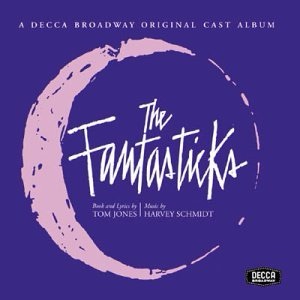
Certain titles in the American musical theatre canon feel less like shows and more like heirlooms, passed down, dusted off, admired, and too often left untouched. The Fantasticks is one of them. I’ve never seen it. Not live, not in revival, not even in some half-remembered student production. And yet its reputation looms: the world’s longest-running musical, a folk fable sung into theatrical legend, endlessly referenced, rarely reimagined. That is until now.
News that The Fantasticks has been developed for Broadway as a contemporary gay love story doesn’t feel like a novelty; it feels like a conversation finally being allowed to happen out loud. Completed by the original author, Tom Jones, shortly before his death, this revised version reframes the central romance as Matt and Lewis, shifting the show’s delicate allegory of love, illusion, and heartbreak through a queer lens. It’s not a superficial update, but a fundamental rethinking of whose innocence, longing, and disillusionment we’ve been allowed to see onstage.
That this adaptation comes from Jones himself matters. This isn’t a posthumous “concept” imposed on a classic; it’s an author returning to his own work with curiosity rather than reverence. In interviews from the show’s early development, Jones spoke candidly about the joy of rewriting, especially the lyrics, and about how the process opened new emotional doors. That sense of play, of rediscovery, feels baked in. If The Fantasticks has always been about the stories we tell ourselves about love, then queering that story doesn’t distort it; it sharpens it and makes it into something I can’t wait to take in.
Director and choreographer Christopher Gattelli (Broadway’s Death Becomes Her), whose work balances theatrical muscle with emotional clarity, seems a fitting guide for this redefinition. With new orchestrations by Sam Davis (Broadway’s Prince of Broadway) and design by Jason Sherwood (CSC’s The Baker’s Wife), the creative team suggests a production that understands legacy without being trapped by it. This version has already lived and breathed in regional and community-forward spaces, from Flint to Provincetown, places where reinvention isn’t a gimmick but a necessity. Broadway, if anything, is the next logical step.
What excites me most, as someone coming to The Fantasticks fresh, is the chance to encounter it without the weight of memory. To see it not as a museum piece, but as a living, breathing piece of art, one that acknowledges how ideas of love, family, and performance itself have changed. Reimagining the meddling fathers as mothers alone reframes the show’s generational politics, nudging it away from paternal authority and toward something more fluid, more contemporary, more honest.
If The Fantasticks taught generations how to “try to remember,” perhaps this version asks us to try to see and to recognize that queer love stories don’t need to be added on, sidelined, justified, or explained. They’ve always been there, waiting for the spotlight to shift. And I can’t wait to finally meet this show, not as it was, but as the present-day show that it’s becoming.
 front mezz junkies
[…] lobby afterward. And cross your fingers while you’re at it, for the reworked production of The Fantasticks, which is being developed for Broadway as a contemporary gay love story. That’s a risk that I […]
LikeLike