A Frontmezzjunkies TIFF film review: Rodrigo Sorogoyen explores how a celebrated filmmaker turns artistic ambition into an instrument of control over his estranged daughter.
By Ross
It all begins with a lunch I would have desperately wanted to escape from, in the opening scene of my final film at the Toronto International Film Festival. A father and daughter sit across from each other in a Madrid restaurant, and although the conversation initially carries the appearance of congeniality, tension flickers through every look and every pause. Thirteen years have passed since Esteban Martínez (Javier Bardem) and his daughter Emilia (Victoria Luengo) last saw each other, and the years between them seem to occupy every inch of the table. He watches her enjoy her wine, and the smallest gestures acquire an almost unbearable significance. That first lunch finds an unsettling echo later in the dining scene being filmed for Esteban’s period drama. The circumstances are different, but the emotional arc feels strikingly familiar, as his frustration with another actor spills over onto Emilia when she speaks up for the cast and crew. The anger and hurt gather with an intensity that feels even more exposed, and possibly more honest, than they did at the first table. I found myself squirming in my seat alongside the rest of the audience at TIFF, feeling the uncomfortable need to crawl away from this painfully recognisable display of pain, love, betrayal, and the particular cruelty of two people who can barely look each other in the eye.
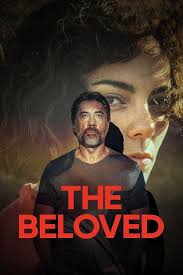
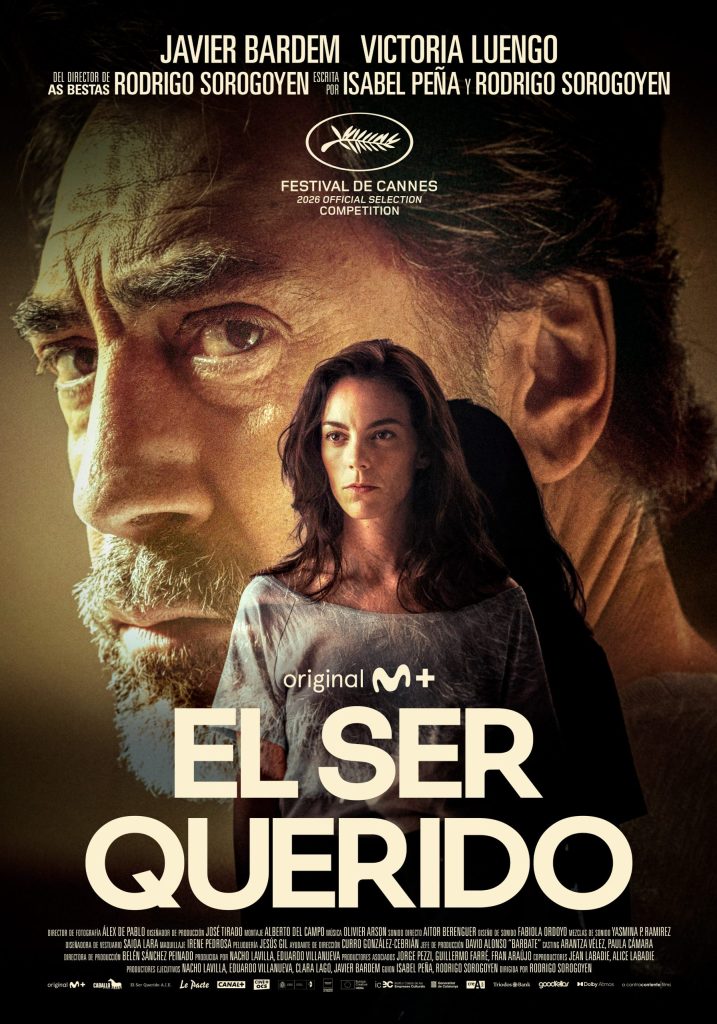
Written and directed by Rodrigo Sorogoyen, with Isabel Peña as co-writer, “The Beloved” (El ser querido) examines Esteban Martínez, a celebrated filmmaker whose return to work brings him face to face with the daughter he has not seen in thirteen years. Even beneath his professional confidence, an undercurrent of tension runs through Esteban as he offers Emilia a leading role in his new historical drama, “Desert“. She is a struggling television actor, while he is a powerful director accustomed to having his way. He presents the offer as an opportunity to help her professionally, bringing them into close proximity before either has found a way to confront their shared past.
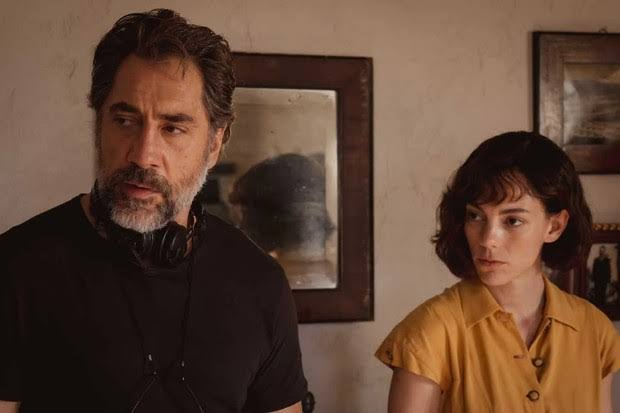
Once filming begins in the Canary Islands, the set becomes a place where Esteban’s authority reaches far beyond the work itself. His demands, humiliations, and shifting displays of charm make it increasingly difficult to determine whether he is trying to reconnect with his daughter or using the film to bring her under his control. Bardem (“The Room Next Door“) is magnetic as Esteban, moving between public affability, professional scrutiny, and private cruelty with a confidence that makes his manipulation especially unsettling. Luengo (“Bitter Christmas“) gives Emilia a beautifully guarded performance, allowing anxiety, resentment, and a persistent hunger for her father’s approval to surface in small shifts of expression. Even as Emilia recognises the damage he causes, she cannot simply switch off her need for him to acknowledge her.
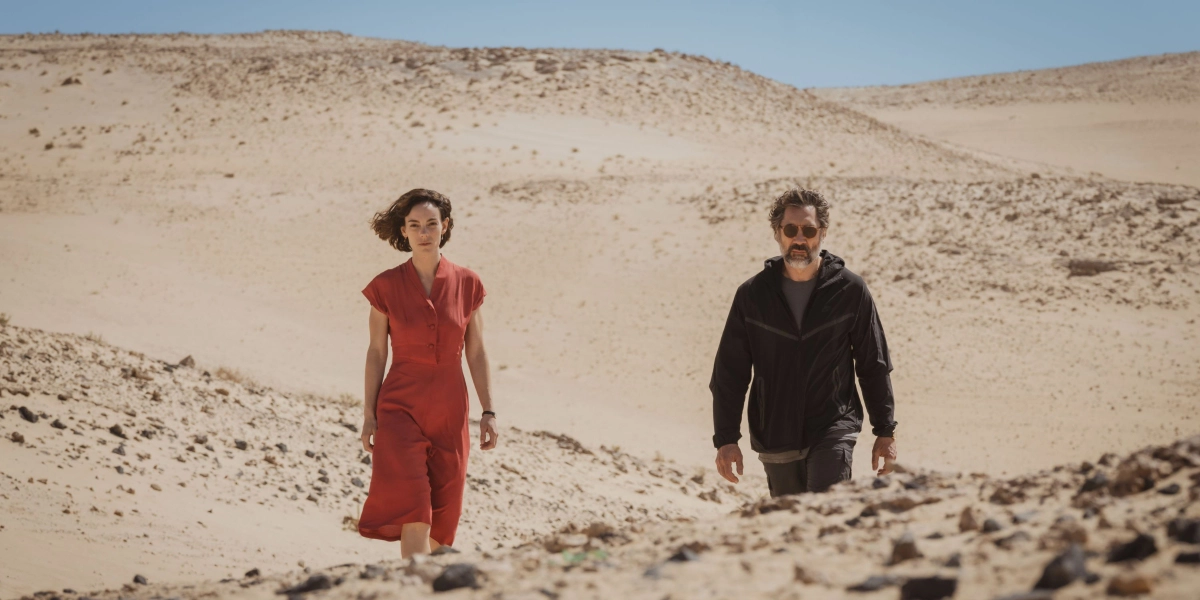
Sorogoyen (“Stockholm“) brings a sharp eye to the power dynamics of filmmaking, exposing the vulnerability of the crew and fellow actors who bear the cost of Esteban’s authority. Cinematographer Alejandro de Pablo (“The Beasts“) gives the encounters between Esteban and Emilia an intimate visual intensity, bringing us close to the discomfort of their exchanges, while the expansive sequences from the film being made open out into the world Esteban commands as a director. That movement between intimate encounters and the production surrounding them brings Esteban’s personal damage into the same frame as the professional power he wields.
Esteban’s celebrity gives him enormous latitude on set, while the crew and other actors are left to absorb the consequences of his demands. The historical film being made, which explores Spain’s abandonment of Western Sahara, creates a painful parallel with Esteban’s abandonment of Emilia, giving the production a political dimension that deepens the family drama. The shifts between colour and black-and-white, alongside the changes among 65mm, 35mm, and Super 8, occasionally draw attention away from the emotional conflict, leaving me uncertain about what these choices are meant to reveal.
At 135 minutes, “The Beloved” occasionally circles through repeated episodes of on-set tyranny and painful confrontation, and I found myself wishing the story would move forward with greater urgency. The sustained tension has real force, but the repeated confrontations eventually wear down the film’s emotional rhythms, and the open-ended conclusion offers little resolution after so much accumulated tension. I remained invested in the uneasy intimacy between Bardem and Luengo, whose performances allow resentment, longing, and the need for approval to occupy the same fraught encounter. Emilia’s struggle is not simply to decide whether she can forgive her father, but to understand what accepting his attention might cost her, professionally and personally.
That first lunch remains the film’s defining image for me: two people sharing a table while thirteen years of hurt sit between them, each gesture carrying the weight of everything they cannot bring themselves to say. The film gives Esteban another arena in which to exercise control, but he cannot make the past disappear or decide what reconciliation should mean to Emilia. Sorogoyen refuses to resolve these wounds, a choice that sustains the film’s emotional unease even as its prolonged confrontations occasionally test my patience. I left TIFF with the image of that table still lodged in my mind, two people sitting within reach of each other and separated by thirteen years of hurt they cannot find a way to name.