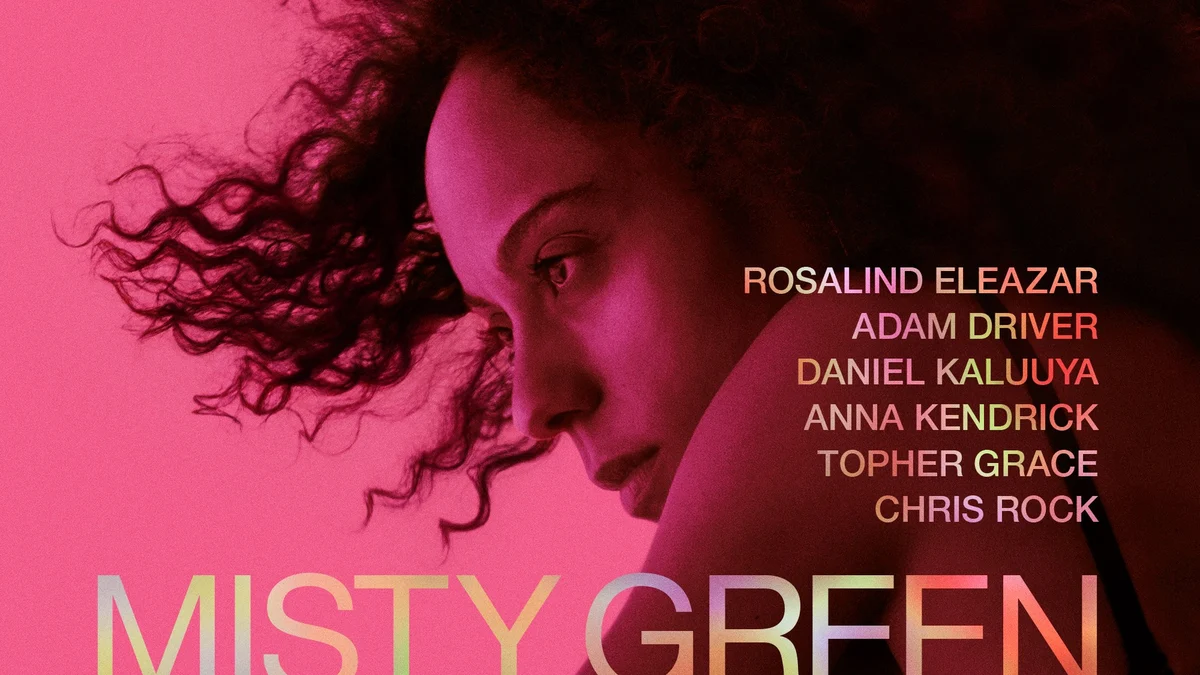
A Frontmezzjunkies TIFF Film Review: Rosalind Eleazar Finds the Vulnerability Inside Chris Rock’s Troubled Hollywood Character Study
By Ross
The perfect song, “If You Could See Me Now,” plays ironically in the background as we are ushered into Chris Rock’s film, “Misty Green.” She is shoved awake, unceremoniously, by the widow of her late lover standing at the foot of her bed, who has entered this gorgeous Santa Monica apartment to deliver bad news in a pretty brutal way. Misty has been living rent-free in this apartment for years, but now she has just seven days to get out. It’s a shocking jolt to the system, for Misty and for the audience, as we watch this could-have-been-famous but self-destructive actress try to figure herself out, against all odds, in the unforgiving city of Los Angeles. Rosalind Eleazar as Misty immediately makes it clear that this is a woman who has been given so many chances to make it big, yet somehow keeps finding a way to throw each chance away. Misty is a struggling, Emmy Award-winning actress who still has the undeniable talent to fire up a room, but bad decisions, professional grudges, drugs, and her own destructive impulses keep getting in the way. Watching her work late at night, memorizing lines and trying to focus for an important audition, only to abandon another opportunity when escape comes calling, becomes genuinely heartbreaking because it is crystal clear that the talent is there, sitting right next to a vial of self-destruction, and not just the powered variety.
“Don’t fuck this up, Misty” becomes a kind of warning hanging over the film, especially when opportunity keeps knocking, yet she seems determined not to wake up to it. Chris Rock’s Misty Green has a fascinating character at its centre, even when it becomes clear that the film surrounding her is not doing her justice. Rock, directing and writing for the first time in twelve years, drops Misty into a Hollywood where opportunity can arrive at the front door one minute and disappear before she has even figured out how to answer it. The people auditioning her can see something special in her, and there is a willingness in their faces to give her a chance, even as they know how difficult she can be. And that makes the moments when she sabotages herself particularly painful. Misty herself eventually asks Jordan (Rock), “You tell me, what do I need to do?” as she watches herself continue to destroy the chances in front of her. There is an interesting idea here about how Hollywood uses and then throws away young women at the drop of a hat, but as the screenplay reaches for big themes, like systemic racism, mental health, eviction, and addiction at the same time, those threads become increasingly scattered. By the final acts, many of those ideas feel more like a lecture than fully developed, authentic arguments within Misty’s story.
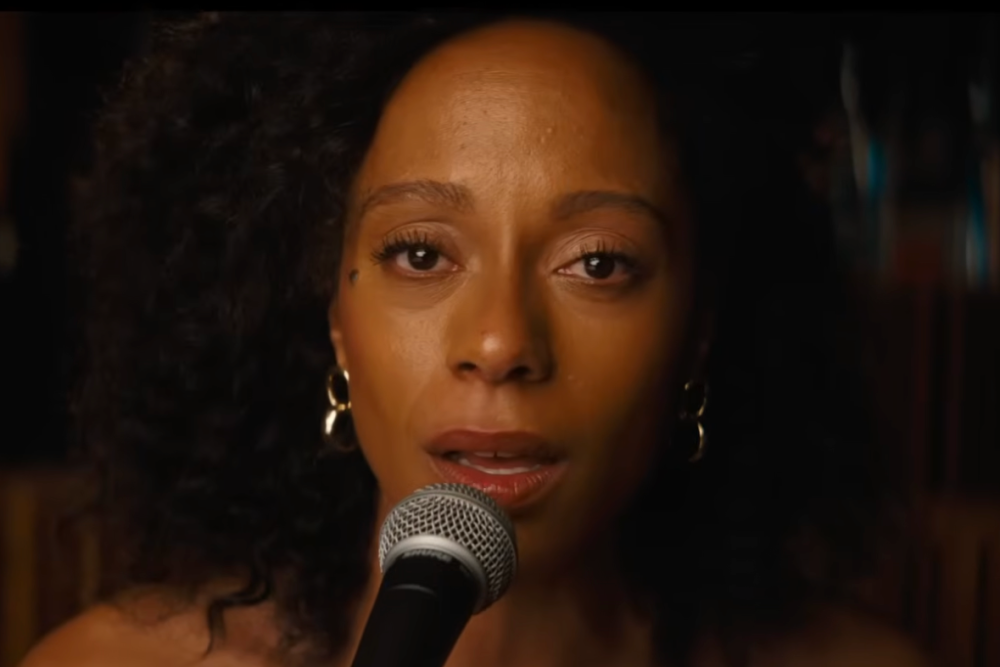
Yet Eleazar is continually magnificent in the role, mainly because she refuses to make Misty easy to dismiss. She gives her arrogance, bitterness, and manipulation, but there is also a compelling edge of vulnerability underneath all of it, and that keeps pulling us back toward her even as we watch her fuck it up again and again. Her singing scene is particularly powerful, because for a moment the talent that once made Misty an Emmy winner is completely undeniable. “You’ve got one night only, one night only, you’ll be the only one,” she sings, and we can understand why people keep giving her another chance. Anna Kendrick’s Naomi sees that talent too, even though Misty can be brutally harsh toward her, while Chris Rock’s Jordan represents another complicated professional connection when he becomes involved in casting a high-profile remake of “Dreamgirls“. Misty keeps finding people who are willing to see something in her, and Eleazar makes the repeated rejection of that possibility painful to watch.
Adam Driver’s Zach is another piece in that destructive cycle. He is not bad news because he is evil or cruel. He is bad news because he keeps offering Misty moments of escape that have nothing to do with taking care of herself or believing in herself. Driver gives Zach a seductive, sleazy charm that makes it easy to understand why Misty keeps getting pulled back toward him, even when she knows exactly where that road leads. Daniel Kaluuya brings another dimension to the film as Misty’s messy and problematic brother Jay, and his performance suggests there may be a deeper reason for some of Misty’s destructive behaviour. I wanted the film to go further into that relationship, because Jay feels like the key to understanding Misty rather than simply another plot point that crashes in near the end.
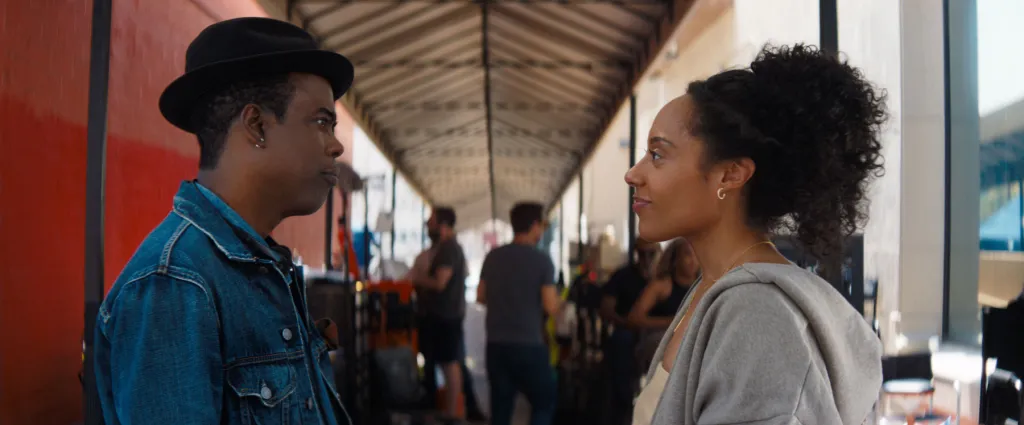
Cinematographer Kira Kelly and production designer Michelle Patterson give Los Angeles its own seductive tension, capturing both the Hollywood fantasy and the trap underneath it. That gorgeous apartment becomes part of the contradiction, a space that looks like the life Misty could have created for herself while also becoming the place where she is finally told she cannot stay. The auditions and Hollywood spaces around her carry that same uneasy promise, because everyone seems capable and even open to seeing the star Misty could still be while the film keeps showing us the woman who cannot seem to get out of her own way.
Rock has created a messy, overcooked satire that reaches for a great many ideas without always knowing how to bring them together, and the final stretch loses some of the character-driven force that makes the beginning so compelling. But there is something almost devastating about watching this much talent continually refuse to show up for itself. Misty keeps getting told not to “fuck it up,” keeps getting another chance, keeps finding someone willing to believe in her, and still finds a way toward the escape hatch. Eleazar makes that contradiction painful because she never lets us forget what Misty is capable of, even when Misty herself seems determined to forget. “Misty Green” may not find a cohesive way to carry everything Chris Rock wants it to say about Hollywood, but Rosalind Eleazar makes the central tragedy impossible to ignore: the person standing between Misty and the life she could have had is Misty herself.